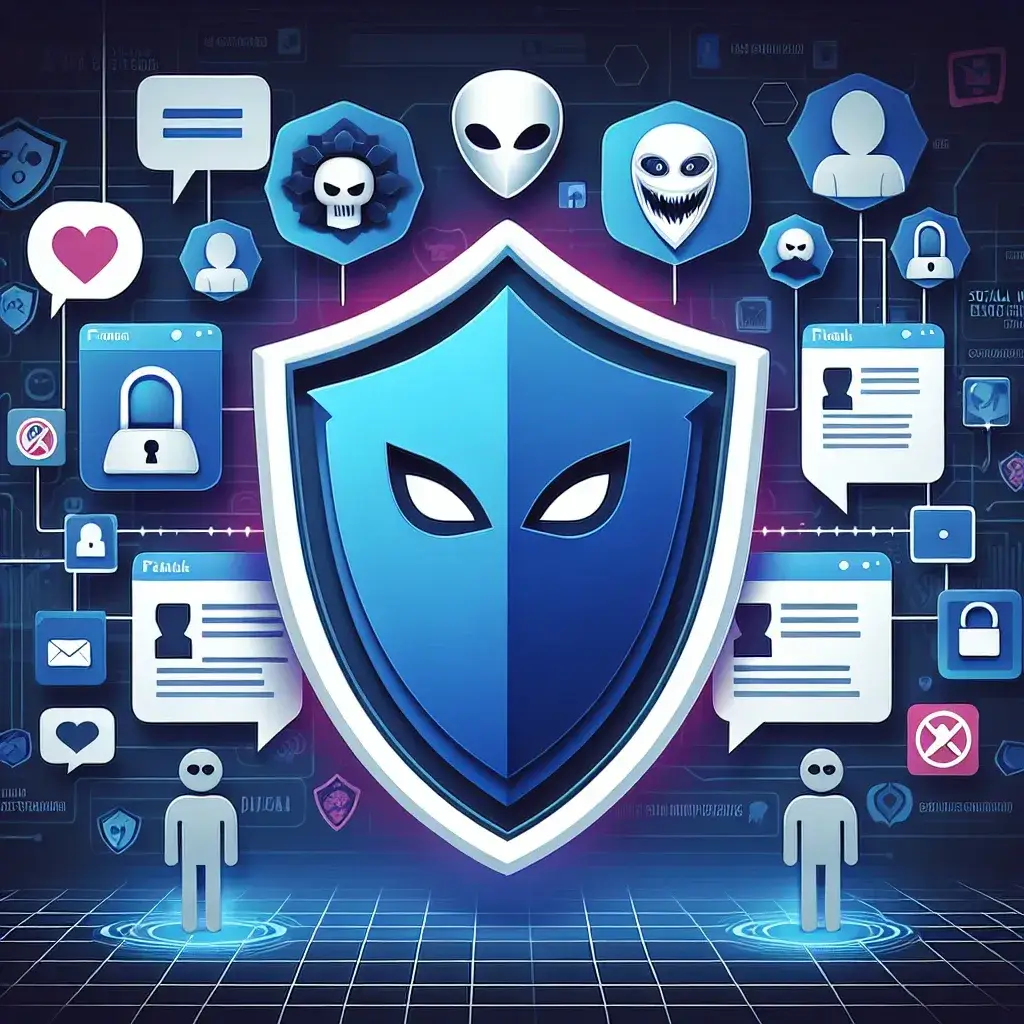
In the digital age, social media has become an integral part of daily life, connecting people across the globe. However, this widespread connectivity also opens the door to a new set of security threats, one of which is social engineering. Social engineering involves manipulating individuals into divulging confidential information or performing actions that compromise their security. This article delves into the world of social engineering on social media, providing actionable tips to help you stay safe and protect your personal and sensitive information.
Understanding Social Engineering
Social engineering is a psychological manipulation technique where attackers exploit human emotions and behaviors to gain unauthorized access to information or systems. Unlike traditional hacking methods that rely on technical vulnerabilities, social engineering exploits the human element, making it a particularly insidious threat. Common social engineering tactics on social media include phishing, pretexting, and baiting.
Phishing
Phishing is a prevalent form of social engineering where attackers send fraudulent messages that appear to be from a trusted source. These messages often contain links to malicious websites or attachments that can install malware on the victim’s device. Phishing attacks can be highly sophisticated, using logos, branding, and language that mimic legitimate organizations.
Pretexting
Pretexting involves creating a fabricated scenario or pretext to engage with the victim. For example, an attacker might pose as a customer service representative or a security officer to gain the victim’s trust. Once the victim is convinced, the attacker can persuade them to reveal sensitive information or perform actions that compromise their security.
Baiting
Baiting is a form of social engineering that uses a promise of something desirable to lure the victim. This could be a free download, a prize, or a tempting offer. Once the victim takes the bait, the attacker can gain access to their device or network. Baiting attacks are often combined with other social engineering tactics to increase their effectiveness.
Common Social Engineering Attacks on Social Media
Social media platforms are fertile ground for social engineering attacks due to the vast amount of personal information shared by users. Here are some common types of social engineering attacks you might encounter on social media:
Friend Requests and Connections
Attackers often send friend requests or connection requests to potential victims. By accepting these requests, victims may inadvertently give attackers access to their personal information, photos, and posts. Attackers can use this information to craft more personalized and convincing phishing messages or to gather intelligence for future attacks.
Malicious Links and Attachments
Malicious links and attachments are a common tool in social engineering attacks. These links can be shared in direct messages, comments, or posts and often lead to phishing websites or download pages for malware. Always be cautious when clicking on links, especially those from unknown or suspicious sources.
Impersonation and Spoofing
Attackers may create fake accounts or impersonate real individuals to gain the trust of their targets. These fake accounts can be used to send messages, share content, or engage in conversations. Once the victim is convinced, the attacker can manipulate them into taking actions that compromise their security.
Identifying Red Flags
Being able to identify red flags is crucial in preventing social engineering attacks. Here are some signs to watch out for:
Urgency and Pressure
One of the most common tactics used by social engineers is creating a sense of urgency or pressure. They may claim that immediate action is required to avoid negative consequences or to take advantage of a limited-time offer. Always take a moment to verify the legitimacy of any request before taking action.
Unsolicited Communication
Be wary of unsolicited communication, especially if it comes from unknown or suspicious sources. If you receive a message or request that seems out of the ordinary, verify the sender’s identity before responding. You can do this by contacting the organization or individual through a known and trusted channel.
Requests for Personal Information
Be cautious when asked to share personal information, such as your Social Security number, bank account details, or passwords. Legitimate organizations will never ask for this information via email or social media. If you are unsure, contact the organization directly to verify the request.
Too Good to Be True Offers
If an offer seems too good to be true, it probably is. Social engineers often use tempting offers to lure victims into taking action. Always approach such offers with skepticism and verify their legitimacy before taking any steps.
Implementing Security Measures
Preventing social engineering attacks requires a combination of awareness, education, and proactive security measures. Here are some steps you can take to protect yourself:
Enable Two-Factor Authentication (2FA)
Two-factor authentication adds an extra layer of security by requiring a second form of verification in addition to your password. This can be a code sent to your phone, an authentication app, or a physical security key. Enabling 2FA makes it much harder for attackers to gain unauthorized access to your accounts.
Use Strong and Unique Passwords
Using strong and unique passwords for each of your accounts is essential in protecting against social engineering attacks. A strong password should be at least 12 characters long and include a mix of uppercase and lowercase letters, numbers, and symbols. Consider using a password manager to keep track of your passwords securely.
Be Cautious with Friend Requests and Connections
Think twice before accepting friend requests or connection requests from unknown or suspicious individuals. If you are unsure about the legitimacy of a request, you can always ask for more information or verify the person’s identity through other means.
Verify Links and Attachments
Always verify the legitimacy of links and attachments before clicking or downloading. You can do this by hovering over the link to see the URL or by using a link scanner to check for malicious content. If you are unsure, it’s better to err on the side of caution and avoid clicking the link altogether.
Regularly Update Your Software
Keeping your software and applications up to date is crucial in protecting against social engineering attacks. Software updates often include security patches that fix known vulnerabilities. By regularly updating your software, you can ensure that you have the latest security features and protections.
Stay Informed and Educated
Staying informed about the latest social engineering tactics and trends can help you recognize and avoid potential threats. Follow reputable cybersecurity sources and organizations for the latest information and advice. You can also take online courses or attend workshops to enhance your knowledge and skills.
Reporting and Responding to Social Engineering Attacks
If you suspect that you have fallen victim to a social engineering attack, it is important to take swift action to mitigate the damage. Here are some steps you can take:
Report the Incident
Report the incident to the relevant parties, such as the social media platform, your bank, or your employer. Most organizations have procedures in place for reporting and responding to security incidents. Providing them with detailed information can help them take appropriate action and prevent further damage.
Change Your Passwords
If you believe that your passwords may have been compromised, change them immediately. Use strong and unique passwords for each of your accounts, and consider enabling two-factor authentication for added security.
Monitor Your Accounts
Regularly monitor your accounts for any unauthorized activity. Check your bank statements, credit reports, and other financial records for any suspicious transactions. If you notice any irregularities, report them immediately to the relevant authorities.
Seek Professional Help
If you are unsure how to proceed or if the situation is complex, seek professional help. You can consult with a cybersecurity expert or contact your local law enforcement agency for guidance and support.
Conclusion
Social engineering attacks on social media are a growing threat, but by being aware of the risks and taking proactive steps, you can protect yourself and your personal information. Remember to stay vigilant, verify the legitimacy of requests and offers, and implement strong security measures. By doing so, you can enjoy the benefits of social media while minimizing the risk of falling victim to social engineering attacks.
Stay safe and secure online!